
Community Spotlight: Learn how Nii Aryeetey Agyei is Supporting SORMAS Users Across Ghana
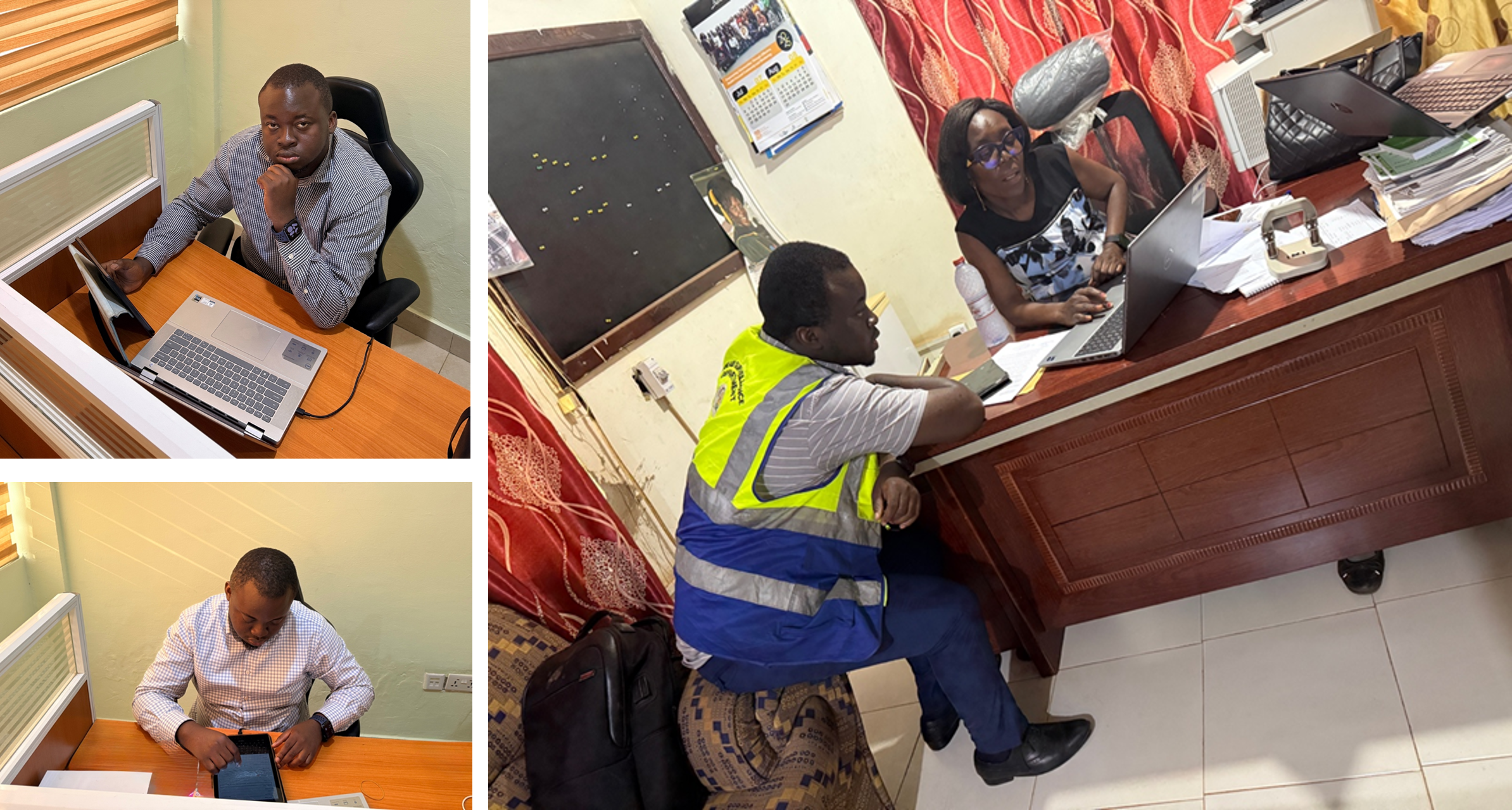
Nii Aryeetey Agyei works with the Ghana Health Service in the Disease Surveillance Department, where he supports the implementation and daily use of SORMAS across the country. In this Community Spotlight, Nii shares what motivates his work, the impact SORMAS has had on surveillance in Ghana, and why supporting users is at the heart of a strong digital surveillance system.
1) Tell us a little bit about yourself. Where do you work and what do you do?
I am Nii Aryeetey Agyei, and I work with the Ghana Health Service (GHS), Disease Surveillance Department. I support disease surveillance activities through the SORMAS platform. My role involves providing technical and operational support to ensure SORMAS functions optimally, supporting users across regions and districts, troubleshooting system and user challenges, coordinating user engagements and trainings, and working with key partners to strengthen overall system performance and data quality for public health action.
2) Why did you start working with SORMAS and how long have you been working with it?
I started working with SORMAS because I wanted to be part of a system that strengthens early detection, reporting, and response to public health threats. SORMAS supports faster, more coordinated surveillance, and it provides timely information that can guide decisions during routine surveillance and outbreaks.
I have been working with SORMAS since 2019, that is about 7 years of experience with the platform as of January 2026. Over the years, I have supported different phases of implementation user support, trainings, system improvements, and upgrades while helping to build confidence and consistency in SORMAS usage across the country while sharing experiences with other countries.
3) What is the most rewarding part of your job?
The most rewarding part of my job is seeing how the support provided translates into real improvements in surveillance when users become confident, reporting becomes timely, and data quality improves for better public health action. Beyond Ghana, I also find it fulfilling to share practical experiences and lessons learnt with other countries that are already using SORMAS, as well as those that are yet to onboard. This supports peer learning, encourages the exchange of best practices, and contributes to stronger, more harmonized digital surveillance efforts across different settings.
4) How do you think that SORMAS makes an impact in Ghana?
SORMAS strengthens Ghana’s surveillance by enabling timely reporting, better data quality, and improved coordination across districts, regions, and the national level. It supports quicker detection of unusual events, better follow-up of cases and contacts where required, and provides data that leaders can use for decisions especially during outbreaks. Laboratories are also a key part of this impact, as SORMAS supports stronger coordination between surveillance and laboratory teams through timely sample tracking and results reporting, which helps improve case confirmation and speeds up response actions. Overall, it helps move surveillance from “paper-based” reporting to near real-time action.
5) What are your future plans with the use of SORMAS in Ghana?
My future focus is to help deepen and sustain the use of SORMAS across Ghana by strengthening continuous capacity building, improving user support structures at regional and district levels, and promoting stronger data quality and data use for decision-making. I also intend to support continuous system improvements and upgrades and further strengthen laboratory surveillance collaboration to enhance linkage of test results and surveillance actions more efficiently. Ultimately, the goal is a stronger, faster, and more responsive surveillance system that supports public health action at every level.